
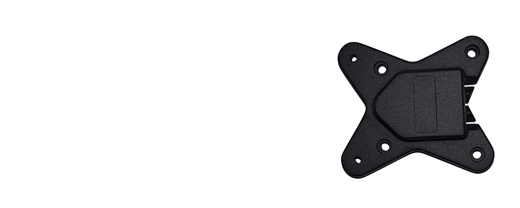



قوالب الصب المعمارية المصنوعة من الألومنيوم وقوالب الصب: تعزيز المتانة والاستدامة في البناء الحديث
2026-04-08 15:30
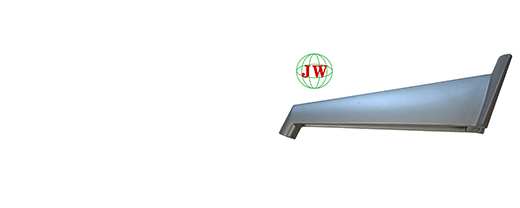
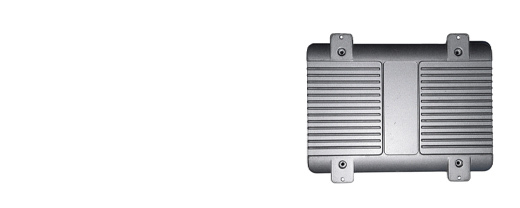
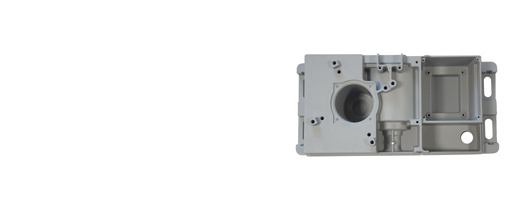
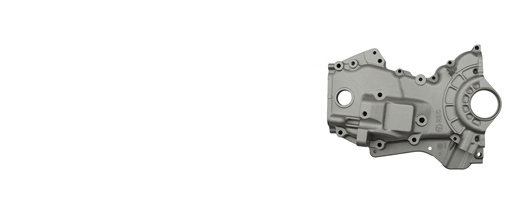
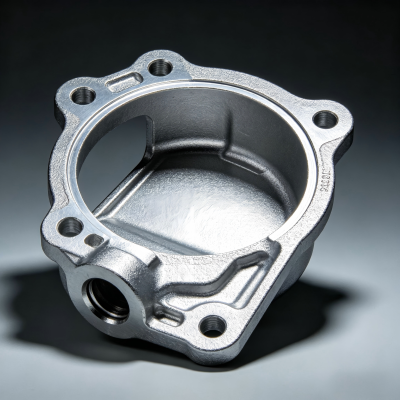
April 8, 2026 — The global construction industry is embracing innovation to meet the demands of durability, sustainability, and architectural versatility, with aluminum architectural die castings and die casting molds emerging as pivotal components. From curtain wall brackets and window frames to structural supports and decorative fittings,aluminum die castings are transforming modern buildings, offering an unbeatable combination of lightweight performance, corrosion resistance, and design flexibility. Advanced die casting molds ensure the precision and consistency required for large-scale construction projects, driving the industry’s shift toward efficient, eco-friendly manufacturing. Fueled by urbanization, green building initiatives, and the demand for long-lasting architectural components, the global market for aluminum architectural die castings is projected to grow at a CAGR of 7.9% through 2030, reflecting the critical role of die casting in shaping the future of construction.
Aluminum die casting technology has revolutionized architectural manufacturing, addressing the construction industry’s unique needs for strength, weather resistance, and aesthetic adaptability. Unlike traditional materials such as steel or concrete, aluminum die castings are lightweight—reducing structural load and simplifying transportation and installation—while boasting exceptional tensile strength and corrosion resistance, thanks to aluminum’s natural oxide layer. The die casting process involves injecting molten aluminum alloys into precision-engineered die casting molds under high pressure, creating components with tight dimensional tolerances (as tight as ±0.05 mm), smooth surface finishes, and complex geometries that align with the bold, minimalist designs of modern architecture.
Key aluminum alloys tailored for aluminum architectural die castings are selected for their performance in harsh construction environments. Alloy A360, renowned for its superior corrosion resistance, is widely used for outdoor architectural components such as curtain wall supports, handrails, and outdoor lighting brackets, withstanding humidity, temperature fluctuations, and environmental pollutants. ADC12 alloy, valued for its excellent fluidity during die casting, is ideal for intricate decorative elements, including ornate railings, column caps, and facade details, requiring minimal post-processing to achieve a polished finish. Advanced alloys like AlSi10MgMnSr, with enhanced castability and strength, are increasingly adopted for large structural components, such as solar panel frames, which demand both durability and lightweight properties to support long-term outdoor use.
Die casting molds are the foundation of high-quality aluminum architectural die castings, with innovations in mold design and materials driving efficiency and precision in construction component production. Modern die casting molds for architectural use are crafted from high-performance tool steels such as H13 and 718, engineered to withstand the high temperatures and pressures of the die casting process while maintaining dimensional accuracy over hundreds of thousands of production cycles. Cutting-edge technologies like conformal cooling channels, enabled by 3D printing and topology optimization, dramatically improve heat dissipation in molds, reducing cycle times by up to 30% and minimizing defects like porosity—critical for architectural components that require structural integrity and a flawless surface appearance.
Advanced die casting processes further enhance the quality and versatility of aluminum architectural components. High-Pressure Die Casting (HPDC) remains the most widely used method for mass-producing architectural parts, offering high efficiency and consistent quality for components like window frames, door hinges, and curtain wall connectors. Vacuum Die Casting is gaining traction for high-end architectural applications, as it eliminates air entrapment and reduces porosity, producing components with superior structural integrity—essential for load-bearing elements like structural brackets and beam supports. Additionally, 3D printing of die casting mold inserts cuts development lead times by 60% compared to traditional machining, enabling manufacturers to quickly adapt to custom architectural designs and tight project timelines.
Sustainability has become a key driver in the adoption of aluminum architectural die castings and die casting molds, aligning with global green building standards. Aluminum is 100% recyclable without losing its mechanical properties, and using recycled aluminum in die casting reduces energy consumption by up to 95% compared to virgin aluminum production, supporting the construction industry’s carbon neutrality goals. Die casting processes also boast high material utilization rates, minimizing waste, while advanced surface treatments like anodizing and powder coating enhance corrosion resistance and enable customizable color finishes, from matte bronze to brushed aluminum, to match diverse architectural styles.
Across construction segments, aluminum architectural die castings and die casting molds play a critical role. Commercial buildings rely on aluminum die castings for curtain walls, glass connectors, and ceiling brackets, where strength and aesthetic appeal are paramount. Residential construction uses die cast components for window frames, door handles, and balcony railings, benefiting from their lightweight and low-maintenance properties. Infrastructure projects, including bridges, stadiums, and solar installations, leverage the durability and corrosion resistance of aluminum die castings for structural supports and decorative elements, while die casting molds ensure consistent performance across large-volume production runs.
Looking ahead, the future of aluminum architectural die castings and die casting molds is defined by continuous innovation. AI-powered die casting mold design and simulation tools will further optimize mold performance, reducing defects and lead times. The development of new high-strength, recycled aluminum alloys will enhance the sustainability and performance of architectural components, while larger-scale 3D printing will enable more complex mold designs for custom architectural projects. As the construction industry continues to evolve toward green, smart, and customizable buildings, aluminum die casting and die casting molds will remain indispensable, elevating the durability, efficiency, and aesthetic appeal of modern construction worldwide
أخبار ذات صلة
أكثر من >-
![لماذا تُنتج قوالب صب الألومنيوم نتوءات أثناء الإنتاج الضخم؟]()
لماذا تُنتج قوالب صب الألومنيوم نتوءات أثناء الإنتاج الضخم؟
يُحلل هذا الخبر الصناعي أسباب ظهور "الزوائد المعدنية" في قوالب صب الألومنيوم أثناء عمليات الصب بكميات كبيرة. تُعرف هذه الزوائد المعدنية بأنها تدفق رقيق من المعدن ناتج عن انضغاط الألومنيوم المنصهر عبر فجوات القالب، مما يُؤدي إلى عمليات معالجة لاحقة إضافية، وهدر المواد، ومخاطر على جودة المكونات. تشمل الأسباب الرئيسية لهذه الظاهرة: تآكل أو تشوه أدوات الصب، وعدم كفاية قوة التثبيت، ومعايير الحقن غير المناسبة، واستخدام سبائك ألومنيوم عالية السيولة، وتصميم هيكلي غير مُناسب للجزء. يُقدم المقال شرحًا مُفصلاً لخطوات حل المشكلة: فحص حالة الماكينة، وضبط معايير العملية، وإصلاح أسطح تلامس القالب المتآكلة، وتطبيق تحسينات التصميم للتصنيع (DFM)، وتحديد هامش سماحية مناسب للزوائد المعدنية. يُساهم التحكم السليم في تقليل المنتجات المعيبة الناتجة عن هذه الزوائد، واستقرار الإنتاج التسلسلي، وخفض التكلفة الإجمالية لتصنيع مكونات صب الألومنيوم.
-
![هل من المجدي إصلاح قوالب الصب القديمة بدلاً من صنع قوالب جديدة؟]()
هل من المجدي إصلاح قوالب الصب القديمة بدلاً من صنع قوالب جديدة؟
تتناول هذه المقالة جدوى إصلاح قوالب الصب القديمة مقارنةً بتصنيع قوالب جديدة. يمكن إصلاح التآكل الموضعي الطفيف، مثل تآكل البوابة والتشققات الحرارية السطحية، اقتصاديًا باستخدام اللحام والتشغيل الآلي باستخدام الحاسوب (التحكم الرقمي الحاسوبي)، مما يوفر وقتًا أقصر للإنتاج المتبقي المحدود. مع ذلك، فإن التشققات الهيكلية العميقة، والإصلاحات المتكررة السابقة، وسيناريوهات الإنتاج الضخم، تجعل الإصلاح محفوفًا بالمخاطر. قد تعاني القوالب المُصلحة من تشققات الإجهاد المتبقي، وانحراف الأبعاد، وزيادة نسبة الخردة الناتجة عن المسامية أو عدم اتساق تشطيب السطح. يجب أن تشمل التكلفة الإجمالية الخسائر الخفية الناتجة عن الخردة ووقت التوقف، بالإضافة إلى رسوم الإصلاح المباشرة. ينبغي على المشترين تقييم شدة الضرر، وحجم الطلب، والجدول الزمني؛ إذ يوفر إعادة البناء الجزئي حلاً وسطًا بين الإصلاح الكامل والقوالب الجديدة تمامًا لضمان استقرار التصنيع على المدى الطويل.
-
![ما هي أنواع سبائك الألومنيوم التي تستخدمونها في إنتاج قوالب الصب؟]()
ما هي أنواع سبائك الألومنيوم التي تستخدمونها في إنتاج قوالب الصب؟
يُعدّ اختيار نوع سبيكة الألومنيوم أمرًا بالغ الأهمية لإنتاجية الصب بالقوالب، إذ يؤثر على قابلية الصب والأداء الميكانيكي وفعالية معالجة السطح. تشمل الأنواع الشائعة ADC12 وA360 وA380 وYL102، ولكل منها مزاياها وعيوبها الخاصة. ينبغي على مهندسي المشاريع تقييم متطلبات التحميل وبيئة التشغيل واحتياجات التصنيع باستخدام الحاسوب (التحكم الرقمي الحاسوبي) والتكلفة قبل اختيار المادة النهائية. غالبًا ما تواجه المشاريع العابرة للحدود مخاطر ناتجة عن اختلاف معايير التسمية واستبدال السبائك بعد تصنيع القوالب، مما قد يؤدي إلى تعديل القوالب وتأخيرات. ينبغي على المشترين مشاركة سيناريوهات التطبيق الفعلية، بينما يحتاج الموردون إلى توضيح المفاضلات بين المواد وتقديم تقارير الاختبار. يساهم اختيار مواصفات السبيكة المناسبة في تقليل العيوب بشكل فعال وتحسين جودة الإنتاج بكميات كبيرة.
-
![أخبار الصناعة: يواجه قطاع صب الألمنيوم بالقوالب تحديين مزدوجين يتمثلان في التحديث الذكي والامتثال لمعايير الاتحاد الأوروبي سي بي إيه إم في عام 2026]()
أخبار الصناعة: يواجه قطاع صب الألمنيوم بالقوالب تحديين مزدوجين يتمثلان في التحديث الذكي والامتثال لمعايير الاتحاد الأوروبي سي بي إيه إم في عام 2026
في عام 2026، سيشهد قطاع صبّ الألمنيوم نموًا مطردًا مدفوعًا بالطلب المتزايد على تجهيزات السيارات والأثاث خفيفة الوزن. وتساهم عمليات صبّ سبائك الألمنيوم المتكاملة في تقليل وزن المنتج وتكاليف الإنتاج، بينما يقوم المصنّعون بتحديث خطوط الصبّ الفراغي وصهر الألمنيوم المعاد تدويره لخفض انبعاثات الكربون. بالنسبة للمصدرين، يفرض نظام الاتحاد الأوروبي لقواعد انبعاثات الكربون (سي بي إيه إم) قواعد صارمة بشأن انبعاثات الكربون على منتجات الصب بالقوالب المصنفة تحت الرمز HS 7616. ويحق للعملاء الأوروبيين الحصول على إعفاء من الحد الأدنى إذا لم تتجاوز وارداتهم السنوية 50 طنًا متريًا. وتقوم المصانع في فوشان بإعداد سجلات شحن ثنائية اللغة، وبوالص شحن جوية، وشهادات وزن مختومة كإثبات للامتثال. تستخدم عمليات التشطيب السطحي مسحوق نيبون ومسحوق تايجر المقلد ذي التكلفة المنخفضة. وفي المستقبل، سيصبح الإنتاج الذكي وإمكانية تتبع الكربون بالكامل عنصرين أساسيين للتنافسية بالنسبة لمصنعي قوالب الصب الموجهة للتصدير.
-
![كيفية التحكم في تشوه مكونات صب الألمنيوم ذات الجدران الرقيقة]()
كيفية التحكم في تشوه مكونات صب الألمنيوم ذات الجدران الرقيقة
تركز هذه المقالة على مشاكل التشوه البُعدي لأجزاء الصب الدقيقة ذات الجدران الرقيقة، وتحلل خمسة عوامل مؤثرة رئيسية وحلولها. يؤدي عدم توازن التوازن الحراري للقالب وانكماش التصلب غير المتناسق إلى تشوه غير متماثل في الصب، بينما ينتج عن التشكيل السريع إجهاد متبقٍ خفي يؤدي إلى تشوه متأخر بعد المعالجة باستخدام الحاسوب. تتميز الهياكل ذات الجدران الرقيقة والصلابة المنخفضة بحساسية عالية لاختلاف التبريد وقوة الإخراج. تعمل التحسينات المنهجية، بما في ذلك التبريد المطابق، وتصميم البوابات المتوازن، ومعالجة تخفيف الإجهاد، على استقرار التسطيح والتفاوت البُعدي بشكل فعال، مما يحل أكثر عيوب التشوه شيوعًا في دفعات مكونات صب الألمنيوم عالية الدقة.
-
![ما هي أكثر العيوب شيوعاً في مصبوبات الألمنيوم عالية الضغط؟]()
ما هي أكثر العيوب شيوعاً في مصبوبات الألمنيوم عالية الضغط؟
تركز هذه المقالة على العيوب الشائعة في مكونات الألمنيوم المصبوبة بالضغط العالي، وتغطي خمسة أبعاد أساسية: تكوّن المسام وتجاويف الانكماش، وعيوب السطح الناتجة عن تصميم قالب الصب المعيب، والتأثير المزدوج لنسبة التفاوت في التشغيل باستخدام الحاسوب على تغطية العيوب، والأضرار الجسيمة التي تُلحقها عيوب الصب بعمليات التشطيب السطحي اللاحقة، وخطط التحسين الشاملة لقطع الألمنيوم المصبوبة عالية الجودة. لا يمكن إزالة الفراغات الداخلية بالقطع باستخدام الحاسوب؛ وتؤدي عيوب السطح المتبقية إلى ظهور فقاعات في الطلاء وتغير اللون وتلف الدفعة. يُعد تحسين معايير سحب الهواء من القالب والتبريد والحقن الطريقة الأساسية لتقليل العيوب بدلاً من مجرد زيادة نسبة التفاوت في التشغيل.
-
![هل يمكنك إكمال عملية التصنيع باستخدام الحاسوب (التحكم الرقمي الحاسوبي) بعد عملية تشكيل القوالب بالصب؟]()
هل يمكنك إكمال عملية التصنيع باستخدام الحاسوب (التحكم الرقمي الحاسوبي) بعد عملية تشكيل القوالب بالصب؟
تتناول هذه المقالة إمكانية إجراء عمليات التصنيع باستخدام الحاسوب (التحكم الرقمي الحاسوبي) الكاملة بعد تشكيل القوالب بالضغط العالي لأجزاء الألمنيوم المصبوبة حسب الطلب، وتؤكد نضج هذه الطريقة وانتشار استخدامها في التصنيع الصناعي. وتقسم المقالة التحليل إلى خمسة أقسام، تغطي عيوب الصب المتأصلة في المواد الخام، ومعايير التكوين المناسبة لبدلات التصنيع باستخدام الحاسوب، وسير العمل القياسي لإنتاج المواد المركبة، وكيفية تأثير بنية قالب الصب على كفاءة التصنيع باستخدام الحاسوب، ومقارنة التكلفة والجودة بين الصب أحادي الخطوة والصب مع التصنيع. لا تفي المواد المصبوبة غير المعالجة بحدود التجميع الدقيق بسبب الانحرافات البعدية وعيوب السطح؛ بينما تعمل عملية القطع اللاحقة باستخدام الحاسوب على إزالة الزوائد والمسام والطبقات غير المتساوية للوصول إلى دقة ميكرونية. يساهم تصميم القالب الأمثل والتحكم المناسب في بدلات التصنيع في خفض تكاليف الإنتاج ومعدلات الخردة، مما يجعل الصب بالقوالب مع التصنيع الكامل باستخدام الحاسوب الحل الأمثل للمكونات الهيكلية المصنوعة من الألمنيوم عالي الدقة.
-
![كم تبلغ رسوم تعديل أدوات صب القوالب الحالية؟]()
كم تبلغ رسوم تعديل أدوات صب القوالب الحالية؟
يركز هذا المقال على الاستفسار عن رسوم تعديل أدوات صب القوالب الحالية، ويصنف تعديلات القوالب إلى تقليم بسيط مجاني، وتعديل متوسط التكلفة، وإعادة بناء هيكلية شاملة. كما يشرح خمسة عوامل رئيسية للتسعير، تشمل مساحة تعديل تجويف القالب، ومواد الصلب الإضافية، ومطابقة ما بعد المعالجة، ومدة التسليم، والعمر المتبقي للقالب. ويُفصّل رسوم التعديل إلى وحدات تكلفة الصلب، والمعالجة، والتجربة، والتكاليف الإضافية، وذلك لتقديم عرض أسعار شفاف. يُسهم تحليل التصميم للتصنيع قبل الإنتاج (DFM) في تقليل أعمال التعديل غير الضرورية والتكاليف المرتبطة بها بشكل فعال، من خلال تحسين هياكل المنتج مسبقًا. ويُقدم المقال استراتيجيات متعددة لتوفير التكاليف، مثل الوحدات النمطية والتنسيق المتزامن لعمليات التصنيع باستخدام الحاسب الآلي (التحكم الرقمي الحاسوبي) بعد الصب، لخفض نفقات التعديل على العملاء. وتخضع جميع الرسوم لقواعد موحدة لمشاريع إنتاج صب القوالب عالي الضغط من سبائك الألومنيوم، مع تمييز واضح بين إعادة العمل المجانية التي يتحملها المصنع ورسوم تغيير التصميم التي يتحملها العميل.
الحصول على آخر سعر؟ سنرد في أسرع وقت ممكن (خلال 12 ساعة)